Scalp Flaking After Shampooing Explained
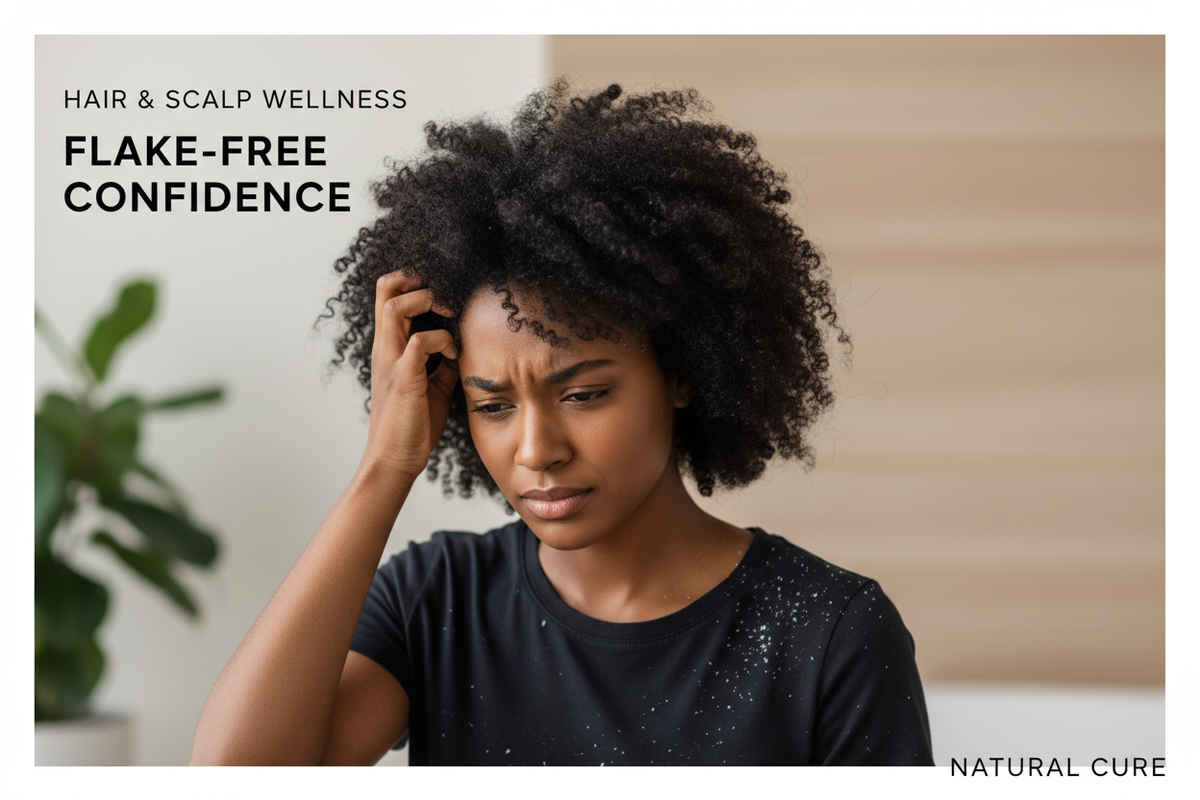
I asked “Why does my scalp flake (small white flakes) after I shampoo?” And assessed my haircare (scalp) routine through AI and this is what I learned…
That's a very common experience! The appearance of flakes right after shampooing can be confusing, but it's usually due to one of two main issues: dandruff or dry scalp, or sometimes a reaction to the shampoo itself.
Here is a breakdown of the common causes and how to tell the difference:
1. Dry Scalp (Lack of Moisture)
This is a very common cause, especially if you live in a dry climate or during winter.
- Cause: The skin on your scalp is simply dry, like the skin on your face or hands might get dry. Shampooing, especially with a harsh or overly clarifying shampoo, can strip away too much of your scalp's natural oils, leading to dryness and flaking.
- Appearance of Flakes: The flakes are usually small, white, and dry. You might notice your skin elsewhere on your body (like your hands) is also dry.
- Other Symptoms: Itchiness and a feeling of tightness in the scalp.
- Why it shows up after shampooing: The washing process itself has removed the protective layer of oil, making the existing dryness more apparent.
2. Dandruff (Oily Scalp Condition)
Dandruff is a common scalp condition, medically known as seborrheic dermatitis, often caused by an overgrowth of a naturally occurring yeast called Malassezia.
- Cause: An overproduction of oil (sebum) on the scalp allows the Malassezia yeast to thrive. This causes skin cells to shed more rapidly than usual, resulting in flakes.
- Appearance of Flakes: Dandruff flakes are typically larger, yellowish, and may look oily (or sometimes white/off-white).
- Other Symptoms: Significant itching and sometimes an inflamed or red scalp.
- Why it shows up after shampooing: While a good shampoo can help, the process of massaging your scalp to wash and rinse can loosen these built-up flakes, making them more visible immediately after drying. If your shampoo isn't properly managing the oil/yeast imbalance, the flakes will reappear quickly.
3. Contact Dermatitis (Shampoo Reaction)
Sometimes, the flaking is a reaction to an ingredient in your hair products.
- Cause: Your scalp is sensitive to a chemical in your shampoo, conditioner, or styling products (such as fragrances, sulfates, or preservatives). This is an allergic or irritant reaction.
- Appearance of Flakes: Varies, but the irritation can lead to flaking, redness, and significant itching.
- Why it shows up after shampooing: The reaction is triggered directly by the product you just applied.
💡 What You Can Try Next
- If you suspect Dry Scalp:
- Switch to a gentle, sulfate-free, fragrance-free shampoo.
- Avoid hot water—use lukewarm water to wash your hair, as very hot water strips moisture.
- Consider a fragrance-free, fungal-free* scalp serum as a light oil (with a Seb Derm safe blend of Squalane + MCT oils) to massage into dry areas (used sparingly).
- If you suspect Dandruff (most likely):
- Try an over-the-counter anti-dandruff shampoo containing active ingredients like Nizoral (ketoconazole); this was actually recommended by my doctor when I asked her. Use it as directed (often, you need to leave it on the scalp for a 5 minutes before rinsing) which can be done before going in the shower using a continuous mist bottle filled with water).
- Wash your hair no fewer than 2x a week to prevent oil buildup, which feeds the yeast (aka what flares the Seb Derm).
- If you suspect a Product Reaction:
- Try eliminating all hair products except a very mild, hypoallergenic, fragrance-free shampoo for a few weeks to see if the flaking subsides.
If your flaking is severe, doesn't improve with over-the-counter treatments, and/or is accompanied by pain or significant redness, you may want to consult a dermatologist, as it could be a sign of a more persistent condition like scalp psoriasis.
I feel like I have an overall dry scalp, especially since I have dry skin. But sometimes I feel like I also may have seborrheic dermatitis in certain areas of my scalp like my hair line and down the middle, which is similar to my face which seems to be combination (oily t zone). Could it be related?
That is an excellent observation, and you are describing a very common scenario. Yes, there is absolutely a correlation, and your experience with dry skin overall but oily/affected areas (like your T-zone) points directly to the typical nature of seborrheic dermatitis (SD).
Here is why your description fits the pattern of SD:
1. Seborrheic Dermatitis is Oil-Gland Dependent
The key feature of seborrheic dermatitis (dandruff being the mildest form) is that it occurs in areas of the body that have a high concentration of sebaceous glands (oil glands).
- Common SD Areas:
- Scalp: Which has many oil glands.
- Face T-Zone: Around the nose (nasolabial folds), forehead, and sometimes the eyebrows.
- Hairline and Part Line: These areas on your scalp also tend to have higher oil production and are common flare-up spots for SD.
- Ears/Behind Ears: Another area rich in oil glands.
2. The Malassezia Fungus Needs Oil to Thrive
SD is triggered by an overgrowth of a normal yeast/fungus called Malassezia (or similar species). This fungus feeds on the sebum (oil) produced by your sebaceous glands. The yeast then irritates the skin, causing it to shed and inflame rapidly—resulting in the flakes and redness.
Your Combination Skin Pattern is Relevant:
- Overall Dry Skin: Your generalized dry skin confirms a lower barrier function or general dryness.
- Oily T-Zone/Scalp Part: These are the areas where your body naturally produces more oil (the "seborrheic" areas). Even if the rest of your skin is dry, the high sebum production in specific zones gives the Malassezia the fuel it needs, leading to SD flares in those exact spots (hairline, part line, T-zone).
3. You Can Have Both SD and Dry Scalp
It is definitely possible to have an overall dry scalp and a flare-up of seborrheic dermatitis in the oilier parts.
- The overall dryness might be exacerbated by harsh shampoos or cold weather, causing the small, white, truly dry flakes.
- The SD flare-ups in the hairline/part line are caused by the oil/fungus interaction and may produce larger, sometimes yellowish, or slightly greasy flakes with underlying redness.
Recommended Approach
Since you have two conditions (dryness and Seb Derm) you need to treat them carefully to avoid making the other worse:
- Targeted Seb Derm Treatment: Use an anti-dandruff shampoo (like the ketoconazole) and focus on applying and gently massaging it into the specific affected areas (hairline and part line). Leave it on for 5 minutes before rinsing.
- Gentle Cleansing: When washing the rest of your scalp and hair, use a gentle, fragrance-free, sulfate-free shampoo to avoid stripping the necessary moisture from your already dry scalp and skin.
- Moisturize the Dryness: Consider using a lightweight, non-comedogenic scalp serum or oil on the areas that feel tight and dry after you have treated the Seb Derm with the medicated shampoo. When in doubt, check with your family doctor.
Recommended Products for Dry Scalp + Seborrheic Dermatitis
The best products for you will be those that contain an effective anti-fungal agent (to treat the Seb Derm) but also include moisturizing, non-stripping ingredients (to protect your dry skin).
| Active Ingredient | Primary Action | Why it's Good for You | Example Products (OTC) |
| Ketoconazole (1%) | Potent anti-fungal agent. | Highly effective for stubborn SD flares in oily areas. Should be used as a spot treatment 1-2 times a week (on inflammed areas only). | Nizoral Anti-Dandruff Shampoo |
| Salicylic Acid | Exfoliant (helps shed dead skin). | Good for dissolving the thicker, oilier plaques of SD you might get on your part line, allowing the medication to penetrate. | Aloe (Natural Salicylic Acid); Shampoo or Scalp Treatment |
Ingredients to Assess in Your Current Products
When you send your list of ingredients, look for the following common triggers, which can either irritate a sensitive scalp or strip too much oil from a dry scalp:
Potential Irritants & Drying Agents
| Ingredient Type | Examples to Look For | Why it's a Potential Trigger |
| Strong Sulfates (Detergents) | Sodium Lauryl Sulfate (SLS), Sodium Laureth Sulfate (SLES) | These are powerful cleansers that create lots of foam but can strip the scalp and hair of too many natural oils, leading to extreme dryness and irritation. |
| Fragrance/Perfume | Parfum, Fragrance (often listed as one word) | A leading cause of contact dermatitis (irritation/allergic reaction) on the scalp, which can manifest as flaking and itching. |
| Drying Alcohols | Alcohol Denat., Isopropyl Alcohol, Ethanol | These can be very harsh and dehydrating to a dry or sensitive scalp. (Note: Fatty alcohols like Cetyl, Cetearyl, or Stearyl alcohol are generally fine.) |
| Formaldehyde Releasers (Preservatives) | DMDM Hydantoin, Quaternium-15, Imidazolidinyl Urea | These preservatives slowly release formaldehyde, which is a common skin irritant and allergen. |
| Some Preservatives | Methylisothiazolinone (MI), Methylchloroisothiazolinone (MCI) | These are known contact allergens and can cause significant scalp irritation and redness, especially in people with underlying skin sensitivities. |
The current shampoo I use doesn’t have any of those ingredients (although I have incorporated nizoral but for the entire scalp so I’ll switch to targeted areas). Would essential oils like peppermint, rosemary and eucalyptus help or hinder my scalp?
Essential oils can be a fantastic way to address both your dryness and the Malassezia overgrowth associated with seborrheic dermatitis (SD), but they require careful application.
Here is an assessment of the essential oils you mentioned:
🌿 Assessment of Essential Oils
| Essential Oil | Potential Benefit for Scalp | Dual Condition Benefit | Risk of Hinderance |
| Rosemary | Anti-inflammatory, stimulates circulation, noted anti-fungal properties. | Promising. Studies show it can be effective in treating SD symptoms and improving overall scalp health (e.g., helping with dryness/tightness). | Low, when properly diluted. |
| Eucalyptus | Strong anti-fungal and antibacterial properties. | Excellent for targeting the Malassezia fungus that causes SD. Helps soothe inflammation and itchiness. | Moderate. Its powerful nature makes it more likely to cause a reaction if concentration is too high. |
| Peppermint | Soothing, cooling, improves blood circulation, which helps deliver nutrients to the scalp. | Good for immediate relief from the itchiness and tightness associated with both dry scalp and SD. | Moderate. The high menthol content can be highly irritating or cause a burning sensation on already inflamed or very dry, cracked skin. |
Conclusion: Help or Hinder?
At a total concentration of 0.5% or less in a wash-off product like shampoo or conditioner (like the Rosemary + Mint collection), these essential oils are far more likely to help than hinder, provided your scalp is not highly reactive.
- The Concentration is Key: A 0.5% concentration is considered a very safe dilution for facial and sensitive areas. Since you are using a medicated shampoo (Nizoral) on the SD areas, these oils in your regular shampoo/conditioner can provide complementary anti-fungal action and much-needed soothing and circulation boost.
- The Benefit: They can act as natural anti-fungals (especially rosemary and eucalyptus) and anti-inflammatories, which addresses the root cause of the SD while soothing the dry, irritated skin.
⚠️ Important Considerations for Use
- Spot Test: Before using a new product with these essential oils on your entire scalp, apply a tiny amount behind your ear or on a small patch of your scalp and wait 24 hours to ensure you don't have a contact allergic reaction.
- Peppermint Caution: Be mindful of the cooling or tingling sensation from peppermint. If it progresses to a strong burning or stinging, rinse immediately. This indicates the menthol is too strong for your currently irritated skin.
- Keep it Off the Face: These oils, especially eucalyptus and peppermint, should not run down into your eyes or on sensitive facial skin (like the T-zone) where you are already managing sensitivity/SD, as they can cause irritation.
I'm glad to hear your Kerl Beauty shampoo is free of those common triggers!
Here are some ingredients to look out for:
Shampoo Ingredient Assessment
| Ingredient Group | Specific Ingredients | Assessment for Your Scalp |
| Primary Cleanser | Sodium C14-16 Olefin Sulfonate | POTENTIAL DRYNESS/IRRITANT: This is a strong anionic surfactant. While it's sulfate-free, it is known to be harsher and more stripping than gentle sulfates like SLES, and can be very drying or irritating to sensitive skin and a dry scalp. This means this shampoo is likely too effective at stripping your scalp's natural oils (best used as a clarifying shampoo or for those that don't have SD). |
| Primary Cleanser | Cocamidopropyl Betaine | GOOD: A gentle, non-stripping mild surfactant |
| Mild Cleanser | Cocoglucoside | GOOD: A very mild, non-ionic surfactant derived from coconut/fruit sugar. |
| Key Active | Melaleuca Alternifolia (Tea Tree Oil) | GOOD: Excellent natural antiseptic and anti-fungal. This is great for managing the Malassezia associated with SD. |
| Preservatives | Phenoxyethanol, Caprylyl Glycol, Sorbic Acid | GOOD: A gentle, broad-spectrum preservative system. Unlikely to be a trigger. |
| Conditioning | Cetrimonium Chloride | GOOD: A very mild conditioner/anti-static agent. |
Recommended Action Plan
Anything used on your scalp (including a conditioner) could be the main issue.
- Stop Using a Clarifying Shampoo Immediately: Switch to a much gentler, non-stripping shampoo. Look specifically for products containing mild surfactants like Cocamidopropyl Betaine.
- Target the SD: Continue using your Nizoral (ketoconazole) shampoo, but only apply it to the oily-prone areas (hairline, part line) and allow it to sit for the recommended time (3-5 minutes) before rinsing. Use this 1-2 times per week.
- Use a Gentle Shampoo for the Rest: On all other wash days, use a gentle, moisturizing shampoo (free of harsh surfactants like Sodium C14-16 Olefin Sulfonate and saponified oils) like the Kerl Beauty Rosewater + Mango Hydrating Shampoo on your whole scalp.
Here are some beneficial ingredients to look for in your new, gentle, regular shampoo to support your specific scalp concerns:
✨ Beneficial Ingredients for Dry/Sensitive Scalp & SD
1. Soothing & Calming Agents (For Dryness and Irritation)
These ingredients are known for their ability to hydrate, calm inflammation, and support the skin barrier, which is essential for a dry, irritated scalp.
-
Glycerin: A powerhouse humectant (draws moisture from the air into the skin) that provides light, non-greasy hydration and prevents dryness.
-
Hyaluronic Acid: A highly effective moisturizing ingredient that binds significant water to the scalp and is increasingly found in high-end scalp-focused shampoos and serums.
-
Colloidal Oatmeal/Oat Extract: Excellent for highly sensitive or itchy skin. It's a proven anti-inflammatory that helps soothe irritation and reduce redness.
-
Aloe Vera: As you already have, it's a great light hydrator and calming agent.
-
Allantoin: A gentle, non-irritating compound that helps heal the skin and promote cell regeneration, useful for a flaky/irritated scalp.
2. Mild Surfactants (Cleansing without Stripping)
These are the alternatives you should look for to replace the harsh cleansers in your old shampoo:
-
Sodium Cocoyl Isethionate (SCI): Often called "Baby Foam." It's derived from coconut oil, creates a rich lather, but is very mild and less stripping than SLS or Olefin Sulfonate.
-
Cocamidopropyl Betaine (CAPB): A very common and mild co-surfactant that boosts lather and acts as a conditioning agent.
-
Coco Glucoside / Decyl Glucoside / Lauryl Glucoside: These are non-ionic surfactants, often used in baby products, and are exceptionally gentle.
3. Anti-Fungal and Barrier Support (For SD Prevention)
While you have your targeted Nizoral treatment, these ingredients help maintain the balance in your "regular" shampoo.
-
Tea Tree Oil (Melaleuca Alternifolia): You already know this one! Its natural anti-fungal properties are great for keeping Malassezia in check.
-
Coconut Oil (Cocos Nucifera): Research suggests regular topical use can help modulate the scalp's microbial composition, which is beneficial for managing dandruff/SD. Just ensure it's in a well-formulated shampoo and you wash it out thoroughly to avoid weighing down the hair.
-
B Vitamins (especially Biotin/B7 and Panthenol/B5): These are often included to strengthen hair, but Panthenol is a fantastic humectant that also helps soothe the skin.
Quick Summary Check List:
When you look for your next shampoo, make sure it:
-
Does NOT contain: Sodium C14-16 Olefin Sulfonate, SLS, SLES, Potassium Olivate (Saponified Oil).
-
Does contain: At least one mild surfactant (SCI or Glucosides).
-
Does contain: Moisturizing and soothing agents (Glycerin, Aloe, Oatmeal).
Is it okay if I use a conditioner on my scalp/roots after shampoo or is it meant just for the hair?
After Shampoo and Conditioner
After figuring out in shower, I wanted to know the best approach post-wash:
What about after I rinse out the conditioner? Should I be moisturizing my scalp with a leave-on product? If so, what should I use? I’ve tried using an Aloe Vera gel (no fragrances) but not sure if that’s moisturizing enough and if I should apply a light oil or something else as well.
That's the final, crucial step! The question of whether to use a leave-on product, and what kind, is key to managing a dual condition like yours.
The short answer is yes, you should use a lightweight, non-comedogenic (non-pore-clogging) leave-on product to manage the generalized dryness and itchiness after you have treated the SD with your medicated shampoo.
Here is a guide on what to use and why your current approach may not be giving you the best results:
💧 Why You Need a Post-Rinse Moisturizer
Rinsing the conditioner thoroughly (as recommended) helps prevent SD flare-ups, but it also reduces the amount of moisturizing residue left behind. Your dry scalp needs targeted, persistent hydration, especially right after cleansing.
1. Assessment of Aloe Vera Gel
- Pros: Aloe Vera is an excellent humectant (draws water into the skin) and is very cooling and anti-inflammatory. It's great for soothing irritation.
- Cons: Aloe Vera is generally not a powerful enough occlusive (it doesn't seal moisture in). On its own, the moisture it draws in can evaporate quickly, leaving your scalp feeling dry again, which is likely why you are questioning its effectiveness.
2. Recommended Leave-On Products
You need a product that offers both hydration (like Aloe or Glycerin) and a very light occlusive layer (a non-comedogenic oil or serum) to seal that hydration in.
|
Type of Product |
Ingredients to Look For |
Benefit for Your Scalp |
|
Scalp Serums/Treatments |
Hyaluronic Acid, Glycerin, Niacinamide (Vitamin B3) |
Best Option. These products are specifically formulated to be lightweight, fast-absorbing, and non-greasy. They provide intense, targeted hydration and soothing without heavy oils. |
|
Light Oils |
Jojoba Oil, MCT, Olive Squalane |
These are generally non-comedogenic (low likelihood of clogging pores/feeding Malassezia). They mimic natural sebum, offering barrier protection and is sealing in moisture. |
|
Prescription/OTC Creams |
Hydrocortisone (short-term), Urea, Salicylic Acid (in low doses) |
If your itching and redness from SD are severe, you may need a low-dose medicated cream prescribed by a doctor. |
🎯 Action Plan for Moisturizing
Instead of plain Aloe Vera, try a two-step approach on your dry areas:
- Hydrate: Apply a few drops of plain, fragrance-free Aloe Vera Gel or a Hyaluronic Acid Serum directly to the dry sections of your scalp (after hair is towel-dried).
- Seal: Once the gel/serum is absorbed, apply 1-2 drops of a lightweight oil like Jojoba Oil or MCT/Squalane blend to those same areas. Gently rub it in with your fingertips. These oils are typically non-comedogenic and will seal the moisture in without creating a heavy, SD-triggering layer.
Crucial SD Note: Focus the oil only on the dry areas of the scalp. Avoid aggressively moisturizing the specific spots where you know the SD flare-ups happen (your hairline and part line) unless they are visibly dry, tight, and flaky. For those oily areas, stick to your medicated shampoo treatment.
What if my whole scalp typically seems dry? Mostly everywhere has little dry white flakes after adding a scalp moisturizer (although could be a result of the clarifying shampoo).
Your scalp sounds like it's currently experiencing generalized dryness (the small, white flakes everywhere) which is exacerbated by your harsh shampoo, with a separate, underlying tendency toward Seborrheic Dermatitis (SD) in the naturally oilier zones (hairline, part line).
The flaking you see everywhere after shampooing is almost certainly a direct result of the stripping effect of the Sodium C14-16 Olefin Sulfonate and the high-pH Saponified Olive Oil in your current product. Once you swap that shampoo, the widespread flaking should significantly decrease.
Summary of the Shift:
|
Old Habit |
New Habit |
Result |
|
Harsh Shampoo (Stripping) |
Gentle/Moisturizing SD Shampoo (Balancing) |
Less overall dryness and flaking, better SD management. |
|
Targeted Nizoral (Effective) |
Targeted Nizoral (Maximized efficacy) |
Clearing the stubborn, oil-rich SD spots. |
|
Plain Aloe (Evaporative) |
Aloe + Light Oil or Serum (Sealing/Nourishing) |
Hydration is locked in, eliminating generalized white flakes. |
[INSERT SCALP REFRESHER]
This is an excellent set of ingredients for your leave-on products! You've clearly selected items with moisturizing and anti-fungal properties.
Here is a detailed assessment of your scalp moisturizer and oil blend, particularly looking at how they interact with your dry scalp and seborrheic dermatitis (SD) tendencies.
💧 Scalp Moisturizer Assessment
|
Ingredient Group |
Specific Ingredients |
Assessment for Your Scalp |
|
Base/Hydration |
Aqua, Aloe Barbadensis Leaf Juice, Glycerin |
EXCELLENT. The foundation is water, humectants (Glycerin, Aloe) and soothing agents. This provides the crucial hydration your dry scalp needs. |
|
Soothing/Astringent |
Hammamelis Virginiana (Witch Hazel) Water |
CAUTION. Witch Hazel is a natural astringent, meaning it helps contract skin tissue and can be mildly drying or irritating if used too frequently, especially on an already dry scalp. |
|
Emollient/Sealant |
Olive Squalane |
EXCELLENT. Squalane is derived from olive oil, but it is incredibly lightweight, non-comedogenic, and mimics natural sebum. It helps seal in the moisture without being heavy. |
|
Key Actives |
Peppermint, Rosemary, Eucalyptus Oils |
GOOD. As discussed, these provide anti-fungal properties (beneficial for SD) and soothing/circulation benefits (beneficial for dry scalp). The concentration is likely very low here. |
|
Preservatives |
Phenoxyethanol, Caprylyl Glycol, Sorbic Acid |
GOOD. A gentle preservative system. |
➡️ Moisturizer Conclusion
This product is mostly excellent because of the strong hydration and the non-comedogenic Squalane.
🎯 Final Recommendation for Leave-On Use
Your goal is to Hydrate & Lightly Seal the entire scalp while avoiding buildup in the oily SD zones.
- Use the Moisturizer: Continue using the water-based moisturizer on your entire scalp. If you find your scalp still feels dry/tight, try applying it to damp (towel-dried) hair, as this gives the humectants more water to work with, and consider reducing use of the Witch Hazel if irritation is noticed.
- Adjust the Oil Blend:
- Option 1 (Safest): Ditch the current oil blend for a single, lighter oil (like 100% Jojoba or Grapeseed oil). This removes the heavy Castor Oil risk and makes the sealing step safer for your entire scalp.
- Option 2 (Careful Use): If you want to finish the oil blend, use it sparingly and only on the driest parts of your scalp (like the nape or crown) and avoid the hairline and part line entirely. Use only 1-2 drops.
- Frequency: Since this is a leave-on product, use it only after a wash, or sparingly on non-wash days if you feel acute dryness, to minimize buildup.
By swapping your harsh shampoo and being careful with heavy oils on the scalp (switching to a SD-friendly scalp-specific oil), you are setting up a very effective regimen! You maintain the moisturizing benefits for your dry scalp while significantly reducing the risk of a heavy barrier that could contribute to SD flare-ups in your oilier zones.
🔑 Key Takeaways for Success
- Consistency: Like skincare, consistent application of the anti-fungal (Nizoral/Zinc) and moisturizing steps is necessary to break the SD/Dryness cycle.
- Layering: Apply water-based products first (serums/tonics), then oil-based products (your light blend) to seal them in.
- Patch Testing: When introducing any new exfoliating or medicated product, test a small area first.
- Listen to Your Scalp: If your scalp feels tight, increase hydration (more serum/oil). If it feels greasy or SD flares, increase cleansing and reduce oil use.
How often is best to wash your hair (with my conditions)? Minimum twice (noted in your application frequency)? Is this the same for those with curly hair? I have curly hair but styled in locs.
These are excellent follow-up questions, especially bringing in the specifics of locs and product texture!
1. Hair Washing Frequency (Dry Scalp + SD + Locs)
The recommendation of washing 2 to 3 times per week is a good general starting point for managing Seborrheic Dermatitis (SD) while still respecting dryness. This frequency helps:
- Remove oil buildup: Which feeds the Malassezia fungus (SD).
- Allow product penetration: Ensures the medicated and moisturizing treatments work.
The Locs and Curly Hair Factor:
You are right to ask about curly hair, as it tends to be drier and needs less frequent washing than straight hair. Locs add another layer of consideration:
- Curly Hair: The curl pattern makes it difficult for natural oils (sebum) to travel down the hair shaft, leading to overall dryness. Over-washing strips the little oil that is there.
-
Locs: Locs, especially mature ones, require time to dry completely.1 Washing too frequently can trap moisture inside the locs, potentially leading to mildew or mold growth, which is a significant issue.2
The Recommended Frequency:
Given your specific combination: Dry Scalp + SD + Locs:
- Minimum Wash Frequency: Twice a week is generally the minimum for active SD. If you go less than that, the Malassezia fungus will likely multiply too quickly.
- Adjustment for Locs: You should aim for two washes per week using a clarifying and non-residue-leaving shampoo (like your gentle new choice) and ensure you have a very efficient drying process after each wash (e.g., using a bonnet hair dryer or dedicating ample time to air dry).
- Monitor: If your locs take too long to dry and you suspect dampness, you may need to reduce washing to once a week and use a daily scalp tonic/spray between washes to help control the oil and fungus. However, be aware that once a week may not fully control the SD.
In summary: Start with twice a week, focusing on thorough drying and diligent rinsing to ensure the locs remain healthy.